

 Habits can keep us mired in a rut or they can take us to lofty heights of achievement.
Habits are great because we don’t have to think about what we are doing. It is like being on auto pilot.
We are creatures of habit. Some habits keep us from using our time efficiently. Others are time wasters.
Habits and behaviors are continued because we get a payoff or reward of some kind that motivates us.
We watch TV or play video games as a reward for working hard all day. We may stop and have a drink with buddies. But along with a reward, there is also a cost.
We do things in the moment because they are gratifying; but they may have negative long term consequences.
When we regulate our behaviors, we are able to harness our energy more productively, in a way we plan and choose.
Behaviors made through careful thought allows you to be in the driver’s seat. With thoughtful predetermined goals and plans, you profit through achievement. You will feel excited and jubilant when you use your talents and abilities to accomplish goals. The short term cost of not following instant gratification or indulgence will result in the long term benefit of satisfaction and gratification.
Self Regulation
 Self-regulation requires self-discipline. The word discipline often triggers a negative response based on our childhood interpretation of discipline.
Instead, see it as a positive reward for your actions. Then you will be able to put in place habits and behaviors that benefit you in the long term, not just the short term.
Self regulation doesn’t mean we lead a regimented life with no pleasure or down times.
In fact, when you regulate your time based on time management you will find you have more time than you did before. You are able to schedule in fun and pleasant times as well as the accomplishment of tasks and chores.
Giving into that momentary pleasure can quickly put in place an addictive habit you may not want. If you respond to the whims of the moment, you will eventually feel less and less in control of your lives. Depression is often a result of a downward spiral of such habits.
Taking Charge
To replace a habit, you must first be aware of what you are currently doing, why you are doing it, and why you want to change it. What are the costs and benefits?
To Replace a Habit
First – Why do I have this habit?
Second – What is the short term benefit?
Third – What is the long term cost?
Research on how our brain works has given us new insights into why we do the things we do and continue to do them even when they are not beneficial. To change a downward spiral of impairing habits and routines requires first recognition and then making a conscious decision along with action. When you do both, recognize and make a conscious decision and then add a step in that new direction, you are changing the dynamics of the neurons and neurotransmitters in your brain.
According to Dr.Alex Korb, author of “The Upward Spiral – Using neuroscience to reverse the course of depression, one small change at a time,” it takes both decision and action to change a downward spiral to an upward one. That tiny step in a new direction is enough to begin the upward process versus downward.
Next week we’ll go through a time logging process to discover your wants and needs.
Marlene Anderson
If you enjoyed this blog post, share with your friends.
Sign up today to receive the entire series: http://eepurl.com/baaiQ1
To Receive a Free Consultation for putting together a Personal Plan of Action for yourself, fill out the contact form beside this blog or send me an e-mail. I am also available for speaking engagements, retreats or teaching workshops for your church, clubs or women’s groups on a variety of topics that affect our lives.
 Survival requires management – the ability to manage our time, our attitudes, our relationships and our finances. Management means you are in charge. It means you have organized and supervise what you do. You are the CEO of your life.
 Its not just finances that need managing, but our attitudes.
 What are you being asked to accept today?
 We find in acceptance and letting go, a relief and sense of peace because we have stopped struggling with the reality we find ourselves.
 Love or Hate – Which of these two emotions would you say resonates more in your life?
 Tragedies or senseless acts of violence can create deep-seated resentment and bitterness that keeps us in a powerful grip. It is not easy to let go of wrongs.
 Forgiveness is not condoning unkindness, inconsiderate or selfish behavior of anyone who might have hurt us. It is not the same as forgetting that something painful happened. We do not want to forget so we don’t allow it to happen again.
 Forgiveness opens the door for possible reconciliation with others. But forgiveness and reconciliation is not the same thing. Forgiveness means you make peace with a bitter part of your past, refusing to push the “Blame” button, and choosing instead how you want to live.
 As I write the chapters for my book, “The Next Step,” I am reminded of the many losses people face within their lifetime. Some are a normal part of life. But many are unexpected, traumatic and devastating.
 There are many losses that crash into our lives like the waves of a powerful storm.
 In order to accept and let go, we need to understand what acceptance means. Coming to terms with our tragedy is not resignation. Letting go does not mean it wasn’t important. We may not get the justice we feel we deserve, but in letting go, we can take the next step needed to create a new positive reality.
 Did you know that just by searching for positive things to be grateful for, you are activating your brain to produce more “feel good” hormones? Just by the process itself you are changing how your brain is operating.
 “Against the assault of laughter, nothing can stand.”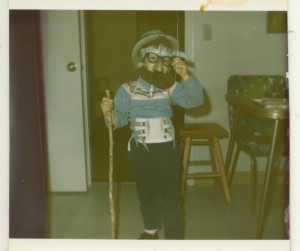
 Last year I went on a long anticipated river cruise. It was something I had wanted to do for years and was excited when I had the opportunity to go.
 Tradition compels us to start the New Year with new resolutions. We have good intentions, but too often they don’t go anywhere.
 Goal setting works – most of the time – and when it doesn’t, it’s usually because the goal wasn’t specific enough or realistic enough. If you want to lose 25 lbs in a month without the appropriate dedication and commitment, you will fail. And that brings me to the last point.
 I don’t make New Year’s resolutions anymore, but I do reaffirm my life long goals and the goals I put in place during the year; goals which I have considered carefully.
 Over the last few months we explored six little words that can help transform our lives.
 As we reflect on all the things we have; if we allow our imagination and creativity to flow and believe we can do the things necessary to bring us together, we will be transformed from the ordinary to the extraordinary. Our next steps will be discovering our potential and living our values, and reaching out to help others realize there’s.