

Let's Talk

4 Catastrophic Traps Couples Can Fall Into

Businesswoman.Everything was going so nicely – we were so happy.  And then reality stepped in:

there’s not enough money to pay the bills, credit card debts keep piling up, in-laws intrude with all their advise and many visits, and we have to work longer hours to keep our jobs while accomplishing more.

Suddenly we find ourselves arguing more, tempers flaring, anger rising beyond the norm and the blame game begins. We go outside our marriage to talk about our spouses and get consolation, validation, sympathy and support.

And the scene is set for even more serious troubles.

In his book, The Seven Principles for Making Marriage Work, Dr. John Gottman lays out in a practical format the seven principles for making marriage work, based on years of research and study in his Seattle based clinic, The Gottman Institute.

It is a book I highly recommend to anyone who is interested in developing and maintaining a “harmonious and long-lasting relationship” with their spouse. The exercises along with the easily applied information outlined in this book are easy to follow and exceptional.

When we become negative and sarcastic we are venturing on the threshold of a danger zone.

It is not just anger we are experiencing, but a simmering, ongoing dislike and building rage. It is not just arguing or fighting – it is developing contempt for our partner.

Gottman describes 4 areas of negative interaction which precipitates the early demise of a marriage that he refers to as the “Four Horsemen of the Apocalypse: Criticism – Contempt – Defensiveness and Stonewalling.”

Do you recognize the beginning of any of these in your relationship?

1.  Criticism: these are words that denigrate the character or personality of your spouse. It goes beyond complaints which target behaviors. It belittles and scorns and vilifies.

2.  Contempt: An attitude of disgust, sarcasm and cynicism is built. We now consider our spouse either worthless or inferior and not worthy of respect. Whatever our spouse says or does our response is to mock or sneer at them. This is an extremely toxic brew that we have allowed to ferment and develop.

3.  Defensiveness: Because we have allowed negative thoughts about our spouse to simmer and stew without resolution, no matter what our spouse says, it is immediately construed as an attack. We are constantly on the defensive and ready to counter-attack and blame our spouses for anything and everything that happens, putting a negative spin on even the slightest indiscretion, lack of judgment or tact. There is no problem solving or negotiation – just attack and defend.

4.  Stonewalling:  As this destructive cycle continues, individuals caught in its sequence begin to stonewall, refusing to cooperate, avoid questions and deliberately create delays. Their persona indicates they could care less what the other person says or does. They are no longer interested in discussion, negotiation or resolving disagreement.

“The truth is rarely pure and never simple.” Oscar Wilde

Is there any hope?

While these may be predictive signs of a potential breakup, when two people really want to change and work together, they can do so. Sometimes we think if we just leave and start over again our lives will be different and we will be happy. We forget, however, that we take with us the remnants of previous broken relationships and unless we work through them, we repeat previous behaviors.

Marlene Anderson

Receive a Free Consultation: Fill out the contact form to receive a Free consultation about Personal Life Coaching, speaking engagements, retreats or teaching workshops for your church or women’s groups on relationships or other topics that affect our lives.

Sign up today to receive the entire series:  http://eepurl.com/baaiQ1

Also in the RELATIONSHIPS series:

Part 1: Relationships: Who Needs Them?

Part 2: Relationships: Where Do We Start?

Part 3: Relationships: Love Them or Hate Them

Part 4: Relationships Book Feature: Tales of Two Sisters

Part 5: Relationships: Oh Those Growing Up Years

Part 6: Relationships: Are You on Top or Bottom of the Heap

Part 7: Relationships: Unspoken Rules

Part 8: Relationships:  Grab Hold – Let Go – and Swing

Part 9: Those Good Times

Part 10: Critical Investments

Part 11: Retreat

Part 12: Conversation

.

 

Conversation

Couple Holding HandsAs I sat with my friend having dinner, I was struck by how many couples were sitting opposite each other engrossed in their cell phones, with only an occasional comment to their partner.

Or they were simply sitting quietly, looking out the window or watching the activity in the restaurant, each deep in their own thoughts with emptiness reflected on their face.

Where was the active engagement in conversation – listening, gesturing, offering points of view, and laughing?

Moments in time

At any moment in time we are offered opportunity to get away from the hustle and bustle and connect with each other.

We choose what we do within each moment.  We can spend our time on trivial things or purposefully spend time to connect with one another.

Relationships take time to develop and they require conversation, face to face interaction, listening and then responding. It requires feedback for better understanding, validation and confirmation of feelings. It requires being in the present moment with each other.

I subscribe to Frederick Buechner”s Quote of the Day and am always pleasantly surprised and intellectually and spiritually challenged by his insights. Today’s quote resonated deeply because it echoed my sentiments on being in the moment.

“This is the day which the Lord has made,” Psalm 118:24. “Let us rejoice and be glad in it”.

Buechner goes on to say: “Or weep and be sad in it for that matter. The point is to see it for what it is, because it will be gone before you know it. If you waste it, it is your life that you’re wasting. If you look the other way, it may be the moment you’ve been waiting for always that you’re missing.”

We only have the moment

Any moment in time holds the promise of discovery, reflection, or opportunity.

Dr, Nathaniel Branden, in his book entitled, “The Art of Living Consciously” speaks to the need to take responsibility for where we are at any point in time. “Living consciously is a state of being mentally active rather than passive.”

What has all that got to do with conversation?

We live in a very fast paced world, with everyone going in different directions, oftentimes fragmented and disconnected. We are faced with drastic changes in our world view that challenges our values and beliefs. There is less and less time to sit and just enjoy each other’s company.

Yet I believe that many marriages would not end up in divorce if there were regularly scheduled times to “be” in each other’s company, without phones or I-pads, worksheets or To Do lists or complaint sheets.

We schedule time away with the “boys” or the “girls”, but do not see the need to schedule purposeful time with our mates to share our love, let them know how much they mean to us, focusing on their good attributes rather than all the things that irritate or displease us.

How important is your marriage? How important is your relationships?

When we make a commitment to spend quality time with the people we care about and love, we will be rewarded with incredible blessings.

Life isn’t a “bowl of cherries” where everything is great and we are given all the love and attention we crave. Life, instead, is a challenge to ferret out the important and work hard to build on that.

Marlene Anderson

Entwining Roots

00438583 “For I will pour water on the thirsty ground and send streams coursing through the parched earth. I will pour my spirit into your descendants and my blessing on your children. They shall sprout like grass on the prairie, like willows alongside creeks.”    

Isaiah 44:3-4

There are two trees in my backyard. Their trunks touching, roots entwining, they reach high into the sky, together yet separate. They symbolize the life I shared with my husband.


00432901The love we shared was as deep and connected as the entwining and supporting roots of these two trees. We nurtured each other while allowing the other the independence to grow in their own ways.

The tree that was Le Roy has been cut down, and the love that flowed through those roots that nourished each other now seeps into barren soil.


This was a journal entry I made after the death of my husband that reflected the life we shared. It is included in my new book, From Winter to Spring, currently being edited for publication that gives helpful information to individuals moving from losses to creating a new reality.


LeRoy-Marlene - 1 001We bring to the marriage altar a truckload of expectations, myths, wants and wishes hoping that now I will be loved unconditionally and all my needs will be met. The problem is that the other person is bringing their own bag of history with them.


In the first glow of married life, couples radiate the acceptance and undivided attention to each other. Together we can conquer the world, raise a family, establish successful careers and live happily ever after.

However, it isn’t long before the first sprouts of discontent begin to grow, anger lifts its ugly head, and the first not-so-nice comments cut into the fabric of love and affection.

While these moments can be corrected and reduced, many times they escalate into a pattern of sarcasm, blame and accusation. The focus becomes what you should be doing for me not what we can do together.

That can lead to what John H. Gottman, in his telling book The Seven Principles for Making Marriage Work, refers to as “The Four Horsemen of the Apocalypse: criticism, contempt, defensiveness and stonewalling.” At that juncture, you are in serious trouble.

Marriages do not have to be a constant battlefield. It can be a place where two people share their talents and skills to create a life that can be meaningful for both spouses.


001It takes time to build an enduring relationship. But the rapport shared that becomes more important than any momentary dispute or disagreement is worth all the time and effort to create. It requires a commitment to the relationship that is more important than petty quarrels, cross words or misunderstandings.

Where are you in your relationship? How important is your marriage to you? Are you willing to work on making it even better?

In my continued series on relationships, my next blogs will cover those aspects of making your marriage more nurturing and abiding.

 Marlene Anderson


Receive a Free Consultation: Fill out the contact form to receive a Free consultation about Personal Life Coaching, speaking engagements, retreats or teaching workshops for your church or women’s groups on relationships or other topics that affect our lives.

Sign up today to receive the entire series:  http://eepurl.com/baaiQ1

Also in the RELATIONSHIPS series:

Part 1: Relationships: Who Needs Them?

Part 2: Relationships: Where Do We Start?

Part 3: Relationships: Love Them or Hate Them

Part 4: Relationships Book Feature: Tales of Two Sisters

Part 5: Relationships: Oh Those Growing Up Years

Part 6: Relationships: Are You on Top or Bottom of the Heap

Part 7: Relationships: Unspoken Rules

Part 8: Relationships:  Grab Hold – Let Go – and Swing

Part 9: Those Good Times

Part 10: Critical Investments

Part 11: Retreat

.


Retreat

2012-10-31-1843-382012-10-31-1700-49

In March of this year I wrote this about a friend of mine:

My sister – not by blood, but by a bond forged over the years.

Sometimes we are fortunate in that God gives two people a heritage that goes beyond blood, and we can truly call ourselves sisters.

Through thick and thin – good times and bad – I know I can depend on her to be there – for support – for physical assistance – someone who never thought twice to fly all the way from England to be with me when my husband was dying.”

And in the same way, she knows I will be there for her, whatever the situation she may be challenged with. It’s not keeping score.

It’s a friendship freely given.

Friends on Retreat

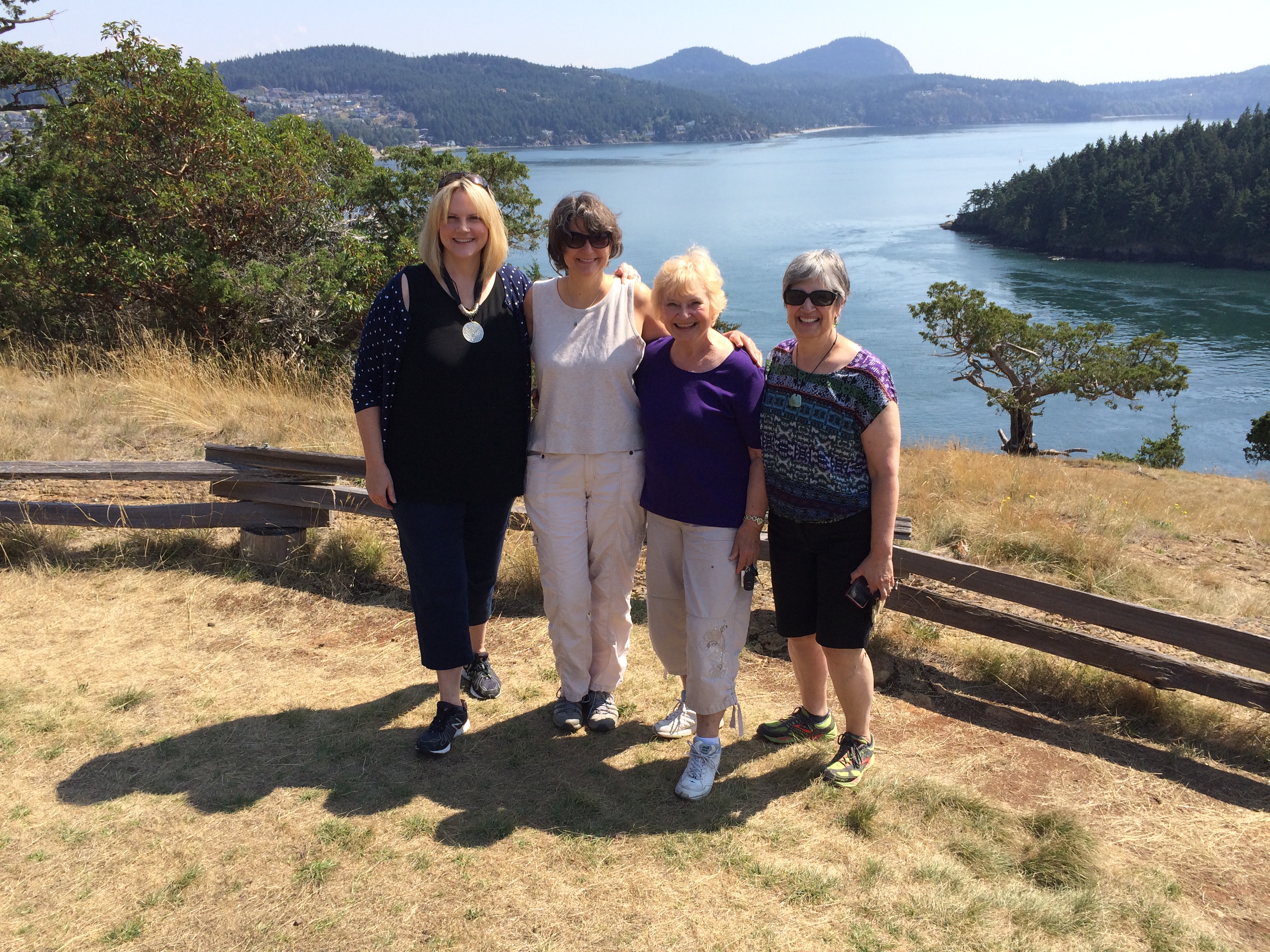
This last weekend I was honored to share my home with three special women. There was no agenda – no topic – just being there for one another. For three days we simply talked, shared and prayed together. It was a time to retreat from our busy schedules and enjoy unstructured relaxed time.

We have been meeting every year for IMG_0728 IMG_0453 five years.  A one time event has become an annual retreat/get together at my home as distance separates us the rest of the year.

We have formed a bond and kinship that cements a relationship that goes beyond distance, time, and diverse backgrounds.

Friends feed each other. They don’t just share woes and concerns and strategies they have tried in order to alleviate some of the problems they are facing.

They listen and offer validation, but are also able to give compassionate critical comments that can redirect, clarify or offer a change of direction when needed.

Friends feel safe enough to share their vulnerabilities and know they will be respected and honored. There is no one-up-man-ship or what can I take away for me. There is give and take.

There is one relationship that is central to all my others and that is my relationship with Jesus Christ.  He is Friend and Savior who laid down His life for each of us. He is at the core of all my relationships.

If you don’t already know Him, I would encourage you to do so.  You can get acquainted by reading Scripture. He is a breath and invitation away from the most important decision and friendship you will ever make.

Who is on your friend list?

Make a list of all the friends you have and the qualities associated with that friendship.

  • What distinguishes them from just another acquaintance?
  • What qualities are important for you to maintain a relationship over time?
  • Does that friendship go beyond just agreeing about similar things you are passionate about?
  • Do you respect their appraisals and opinions when they differ from yours?
  • Can you receive constructive criticism as a loving concern from a friend who cares?

For me, the most important quality is the ability to share my love of God and pray together.  We can disagree on many things, but it is the Love of God that crosses all barriers.

We often take our friends for granted. Find a way to let your friend know how much you appreciate them for who they are.

Marlene Anderson

Fill out the contact form to receive a Free consultation about Personal Life Coaching, speaking engagements, retreats or teaching workshops for your church or women’s groups on Relationships or other topics that affect our lives.

Sign up today to receive the entire series:  http://eepurl.com/baaiQ1

Also in the RELATIONSHIPS series:

Part 1: Relationships: Who Needs Them?

Part 2: Relationships: Where Do We Start?

Part 3: Relationships: Love Them or Hate Them

Part 4: Relationships Book Feature: Tales of Two Sisters

Part 5: Relationships: Oh Those Growing Up Years

Part 6: Relationships: Are You on Top or Bottom of the Heap

Part 7: Relationships: Unspoken Rules

Part 8: Relationships:  Grab Hold – Let Go – and Swing

Part 9: Those Good Times


Critical Investments


MP900444270

“A friend is a gift you give yourself.”

Robert Louis Stevenson

When you want to make your money grow, you check out investment options. What amount do you need to invest and what will be your return over time.

When I was growing up, I was taught to save 10% of everything I earned. From the berry fields to my first job after high school, there was little left to put into savings after expenses.

But it was a principle I took seriously, abided by and was always amazed at how those little deposits added up over time.

When my husband and I got married, we started out barely able to make ends meet and pay the bills. In fact the first six months of our marriage we lived with his parents.

But over the years, we continued that same principle of putting away whatever we could, investing for future years. It required discipline, self-regulation, sacrifice and commitment. But it was a diligence that paid off in huge dividends.

Investing wisely took a while to learn. Some stocks were too risky, others gave no return for an investment; but after a short period of time we learned how to invest wisely and prudently, maximizing our return while minimizing the risks.

Relationships are Investments

“Many people will walk in and out of your life,

but only true friends will leave footprints in your heart.”

Eleanor Roosevelt

Just as we begin with an amount to invest for financial growth, so we also make a commitment to invest time and energy into our relationships.

In childhood, we played with whoever was around. Later, we hung around kids that gave us social identity and status and with whom we could share the doubts and fears we had growing up. Our investment was for the moment.

Adulthood brought a different circle of friends. Gradually we understood the need to cultivate relationships that extended beyond party time to those who shared similar goals and values. It was a time when we considered the mate we wanted to share our life with. Our investments had became more serious.

“I would rather walk with a friend in the dark, then walk alone in the light.”

Helen Keller

 Some friendships continue over a lifetime – others go by the wayside – others we drop because those early moments of compatibility were shallow and had no roots to grow.

Friendships where we have invested quality time, energy, love and commitment will be those that give us the greatest return.  This cannot be measured in monetary terms but is huge to living a blessed life.

Choosing friends that share similar values will be someone you can rely on through thick and thin, the ups and downs and difficult times as well as the fun times.  Friends stand by each other, helping to support when they are down and out and cheer you when you have successes.  They are not afraid to extend themselves or sacrifice when it is important. They care for the other as much as they care for themselves. You give and don’t ask for pay back. A good friend is the greatest gift you will ever receive. Your friendship is the greatest gift you can give another.

I have friends that go back over many, many years.  Distance never interfered in the continuation of that friendship. My husband was my best friend.  I have been incredibly blessed as there is nothing in this world that can compare with such friendships.

As I continue to seek out those relationships where support and similar values can be shared, I work at being the best friend I can be in return.

Where have you put your investments?

Think about the friendships you have.  How would you rate them?  How would you rate yourself as a friend.  Think about the following:

  1. How do you choose your friends?
  2. What qualities are necessary for a dependable, long term relationship?  What is the most important criteria for such an important investment?
  3. Do you invest in friendships that offer only short term returns: status, popularity, inclusion, someone to party with, or something you can get from?
  4. Can you be genuine and honest in your relationships, comfortable sharing the not so good attributes as well as those you are proud of?
  5. Are you able to communicate your thoughts and feelings and work together for long term goals or share similar interests.

While we will have many different types of relationships, some more intimate than others, when we are free to be ourselves and step out to be the best friend we can be, it is an investment that will give us incredible returns.

Marlene Anderson

Those Good Times

Eliz and DonAs we continue our series in relationships, we want to know how we can make our current relationships more meaningful and satisfying.

Exploring our past gives us information about what we bring with us into our present day relationships. We may not always find the answers we want, but we find enough clues to help re-direct, fix or change courses today.

Patterns are repeated from generation to generation.

Children growing up with an alcoholic parent are only too aware of how destructive addictions can have on the family. They swear they won’t repeat the same mistakes. Yet, more times than we want to recognize, children growing up in alcoholic families end up marrying an alcoholic or someone with an addictive personality.

We repeat what we are familiar with. It is what we know. To keep from repeating them, we need to have new information to work with.

Remembering those good times

We  often forget the positive experiences we had growing up. There were those times when we knew we were loved and appreciated, complimented or encouraged. Who were involved in these affirming experiences?

While its important to recognize unhealthy patterns, it is also important to acknowledge those times when we felt good about who we were and find ways to strengthen them.

What worked and why?

Which relationships did we have growing up that made you feel good about yourself?  Which were validating, uplifting and encouraging?  Did you have a special relationship with a parent or grandparent and if so, what made it special? Did you have a friend you could share anything with? Perhaps you had fond memories of a pet you could talk to, hug and who would be with you through thick and thin.

What made those relationships special? What was important to you? Was it loyalty, knowing you could share anything and knew it would be kept confidential? Could you be vulnerable and confide your fears and still be accepted. Perhaps, you shared similar interests or spent hours together doing nothing.

As you think about what was important in past relationships, you can begin to find ways to bring those same attributes into your current relationships.

Who do you hang around with today? Are you trying to be someone you’re not because you think that is what it will take to belong?  Can you take the initiative and be the kind of friend you want another to be? Do others know you are trustworthy?

Make a list of the attributes you think are important in any relationship and start incorporating them into your relationships today.

You can’t change others. You can only change your own behaviors. But they influence those around us.

Marlene Anderson


To inquire about Personal Life Coaching for this series, just fill out the contact form and receive a free consultation. Or sign up for information about speaking engagements or retreats for your church or women’s groups on this other topics.

Sign up today to receive the entire series:  http://eepurl.com/baaiQ1

Also in the RELATIONSHIPS series:

Part 1: Relationships: Who Needs Them?

Part 2: Relationships: Where Do We Start?

Part 3: Relationships: Love Them or Hate Them

Part 4: Relationships Book Feature: Tales of Two Sisters

Part 5: Relationships: Oh Those Growing Up Years

Part 6: Relationships: Are You on Top or Bottom of the Heap

Part 7: Relationships: Unspoken Rules

Grab Hold, Let Go and Swing

Don - Tarzan in our basementGrab hold – let go – and swing!

Really!!!

You don’t know what you are asking!

But as we grab hold of understanding our past, we can let go of those parts that hold us hostage and keep us from swinging free into tomorrow.

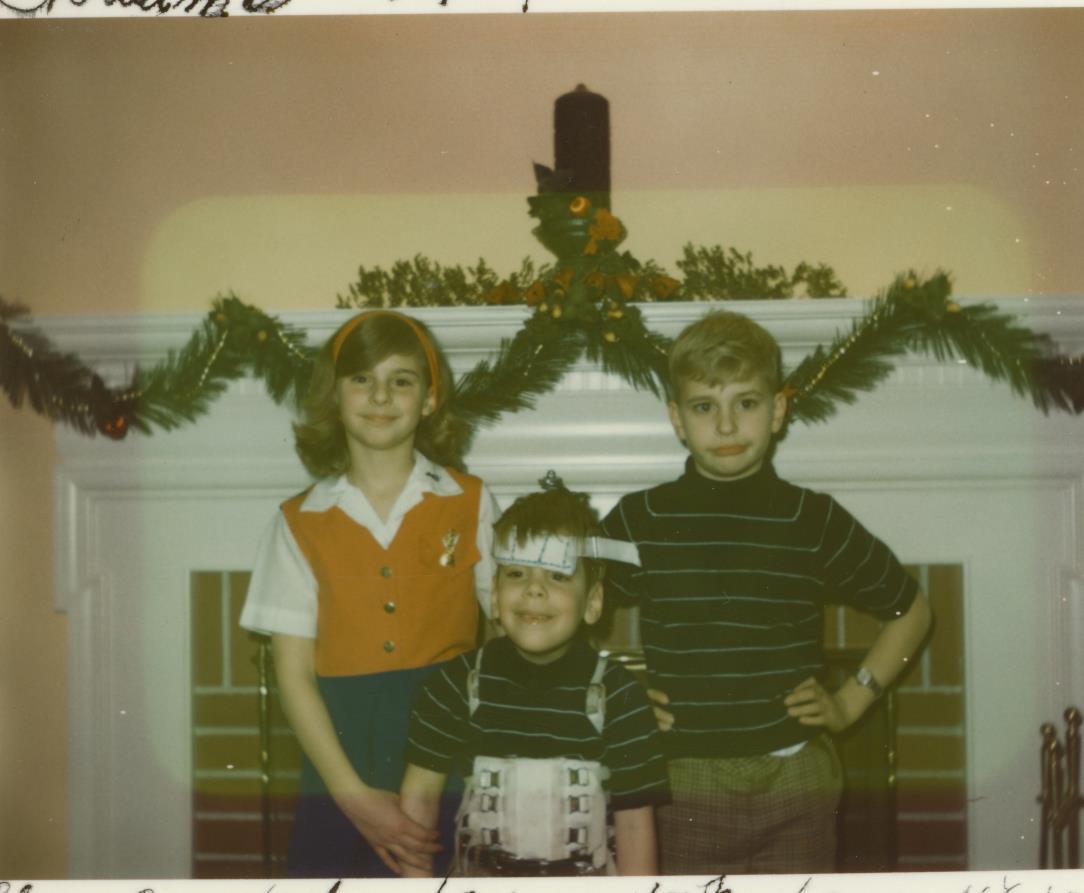
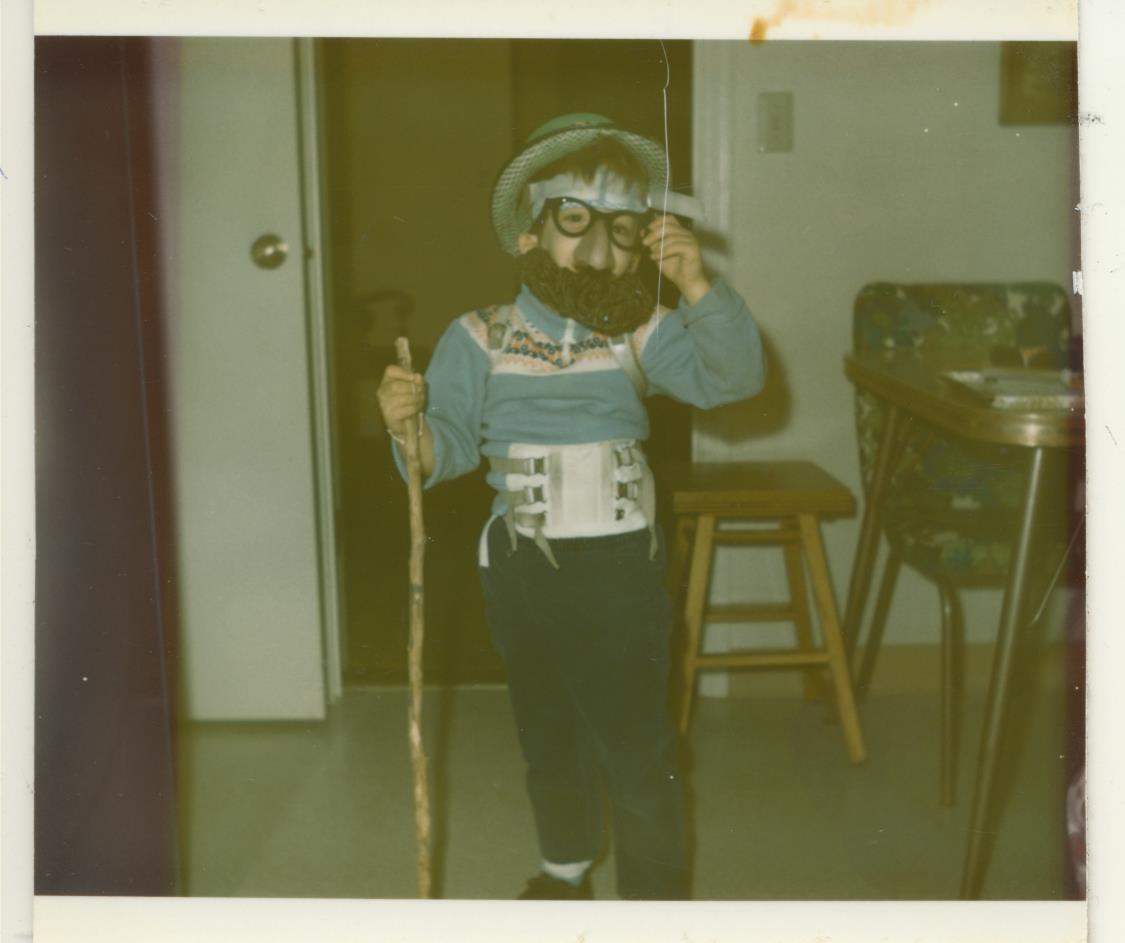
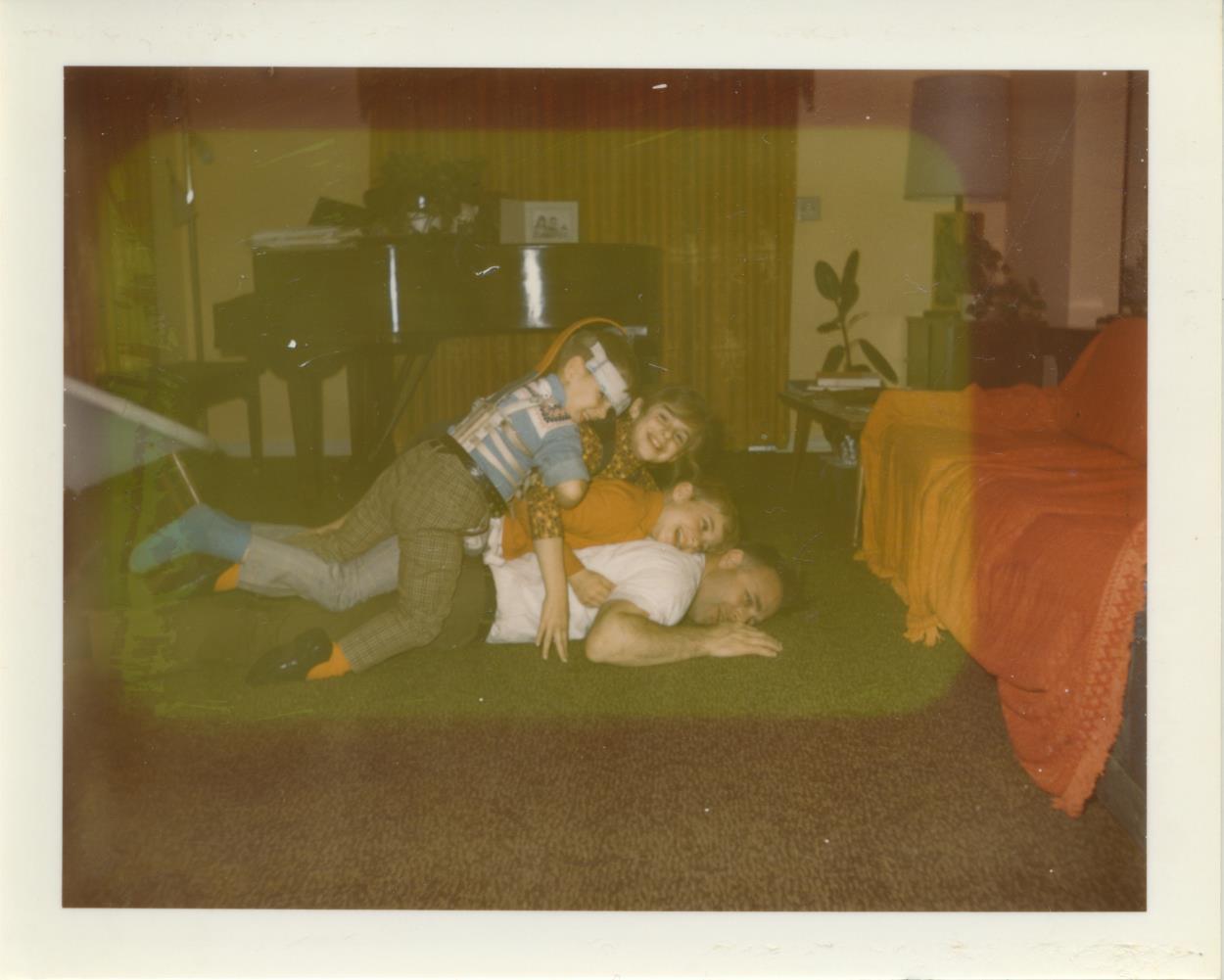
My son was born without the muscles to hold up his head.  A special brace was designed just for him so he could learn to walk and do all the things every kid does. It had a metal rod that went up the back and was anchored around his waist and around his forehead to hold the head up.

He never let his brace or lack of muscles deter him from grabbing hold of life and swinging into the unknown. He let go of anything that kept him grounded and swung freely.

Handicaps

Handicaps of any kind do not need to deter us. Difficult childhood experiences of neglect, lack of love, favoritism, alcoholism, rejection, abandonment or abuse can feel like handicaps.  They can make us feel as though we are trapped in an ongoing cycle of shame, anger, self doubt or depression. But these nor any other handicaps need to keep us imprisoned to a past or unable to find hope for the future.

Let’s create a rope we can grab hold of and swing to a new way of doing things.

Grab Hold

Christmas 1969 - Don 4 and a half years old 001There are many things from childhood that can have a damaging effect on adult relationships. Growing up, some events will hold a different meaning for one member of the family over another.

What one person may see as an obstacle another may consider as unimportant. Each will experience life within the family in their own way – not necessarily the same.

Grabbing hold of our past means we are ready to examine those things that have affected us and made us feel less than okay.

When feelings and past conflicts are identified and acknowledged, we can choose to look at them within an expanded view.  Hurts, disappointments and feelings of rejection can not have dominance over us unless we let them.

Let Go

We have the choice to examine, work through and let go of painful pasts or to hang onto them.  Accepting allows us to stop fighting, struggling and denying. Working through difficult parts of our past allow us to let go of anger, shame and pain and begin the healing process.

Forgiveness may be required to free us from long held grudges and criticisms.  As we accept the challenge of replacing old hurtful messages, we can construct steel rods of determination to provide the strength and courage to swing forward into a new today and tomorrow.

It is scary to address old fears and unspoken childhood perceptions. What if all those things we were told about how bad we are were actually true?  They are not true.

What if I am rejected again?  Tell yourself you will not reject you. As you give yourself permission to write and speak about these things, they will lose their power over you. Let go of the fear. Walk through it and beyond.

Hang on and Swing

There are no perfect families. There are no perfect parents. There are no perfect children.  We all enter this world struggling to be loved and accepted.  Families carry with them generational baggage.  But as we address the things that continue to do harm, we can change unhealthy patterns along with their outcome.

Here are some ways to swing out of the past and into the present.

1. What things from your past continually interfere with what you want to do today? What are you saying to yourself about yourself?  Are these old messages true? Become aware of your self-talk.

2. Identify the rules you grew up with.  Which ones taught you manners, how to share, be considerate, and values you can apply to your life today?  Celebrate them.

2. Were you allowed to talk about your feelings? Begin by making a list of all the emotions you have every day.  When we were not allowed to express how we felt in the past, we are not able to identify them today.  It may take some time to identify them.  Take a risk and start sharing what you are feeling with a trusted friend.  Some emotions may make you feel uncomfortable.  Take a risk and find a way to express them anyway.

3. What emotions are constantly being triggered, such as anger, feeling unworthy, incompetent, etc. Keep a log and record these feelings and the accompanying thoughts. Challenge their validity along with the beliefs that are attached.  Who said you were unworthy and incompetent?  Why are you not allowed to address your anger as long as you do it appropriately? Who said you can not succeed?

4. Make a list of all the things you do well.  Keep expanding that list everyday. Refer to it whenever you start to doubt yourself.

5. Start a conversation with God.  It would have been very difficult for me to have gone through the losses and challenging life situations without the relationship I had with God.  Even when I doubted, I still knew He was there.  Our faith is strengthened as we make the journey.

Don’t Just Swing – Laugh

Don in disguise 001

My son had a sense of humor that wouldn’t quit.  There was a twinkle in his eye and mischief in his smile. He could make us all laugh.

Life can be fun if we allow it – even when it is tough and full of challenges. But when we take what we were given and turn it into something positive and worth while, we will be blessed and will be a blessing to those around us.

Laugh – take a risk – expand your vision.

Are you ready to take the risk and swing out on your own.  Believe you can and then go for it!

Life can be so rewarding when we let go of anything that holds us back.  We have many gifts and talents just waiting to be developed. There is nothing that can take that away from us. Take what you were given and turn it into a positive force.

Here We Go!!

You may have already started a special journal to record your progress.  If not, get yourself a three ring binder and entitle it “My Life”.  As we go through this series, write down the things from your childhood that were important to you.  What did it feel like growing up in your family of origin?  What things are you afraid to talk about and why?  What things did you enjoy? Journaling is a way to begin that important conversation with yourself.

Create some space for pictures and celebration postings as you record your progress.  You are creating the rope that will create a bridge out of the past and into the here and now. Put in lots of smiley faces. Write down your favorite scripture verses, and comments from those who offer words of hope and affirmation.

Grab hold of your past with all of its nitty-gritty ugliness and rough edges.  Fashion it into a rope, grab hold and swing out. As you let go of anything that has no good purpose and hang on to what you want, the rest will fall away.

.Marlene Anderson

To inquire about Personal Life Coaching for this series, just fill out the contact form and receive a free consultation. Or sign up for information about speaking engagements or retreats for your church or women’s groups on this other topics.

Sign up today to receive the entire series:  http://eepurl.com/baaiQ1

Also in the RELATIONSHIPS series:

Part 1: Relationships: Who Needs Them?

Part 2: Relationships: Where Do We Start?

Part 3: Relationships: Love Them or Hate Them

Part 4: Relationships Book Feature: Tales of Two Sisters

Part 5: Relationships: Oh Those Growing Up Years

Part 6: Relationships: Are You on Top or Bottom of the Heap

Part 7: Relationships: Unspoken Rules

Unspoken Rules

00202009Years ago, I facilitated many parenting classes for Kaiser Permanente Health Education. We helped parents identify the needs of their children and the importance of establishing rules, structure and communication within the family.

If children know what is expected of them, they will know how to comply.  They will understand the consequences of their choices, good or bad and know that they are making those choices.

When children are unsure, there is an undercurrent of not knowing what to do.

Family Meetings

One way for parents to set rules and structure is to do hold periodic family meetings.  In these meetings kids are able to give their input while parents make the final decisions.  Here rules and responsibilities can be discussed and chores and household tasks set for everyone. It is here where the family can discuss vacation options and review different outside schedules.

Rules

While family meetings can provide a prototype or guide for positive family interaction, many of us have grown up with “unspoken rules” and expectations. Instead of a clear understanding of what is acceptable and required, these unspoken rules were not openly acknowledged or discussed, even though everybody knew they were there. And you were not allowed to talk about them.

Children require structure. They need to know what is expected of them and why. They need to know they can make choices and that all choices will have some kind of consequence.  There can be rewards and there may be privileges removed. It is here where children learn how to make important choices.

Well defined rules are an important part of parenting. Spoken rules include such things as “Don’t talk with your mouth full” or “It is not polite to ignore someone when they are talking to you”. They establish what you can and cannot do: “You can go out and play after you have finished your homework” or “It is you turn this week to take the dishes out of the dishwasher.”

When rules are openly acknowledged or discussed, there is no confusion about what is expected.

When expectations and rules are not discussed in the family, but you nevertheless are expected to know them, it can create an atmosphere of uncertainty, distrust, fear and anxiety.

Here are some of these unspoken rules

  • Don’t talk, don’t trust and don’t feel. If there is a problem, you don’t talk about it and you don’t tell outsiders. People outside the family are not to be trusted with family problems. You are not allowed to feel; only to accept or discuss on an unemotional level.
  • It is not okay to be angry or show anger. There is often a double standard for girls and boys. Women could feel unhappy and teary, but not show anger while it was more acceptable for the boys as long as it was kept under control
  • You are not allowed to show or express fear, especially if you are a man
  • Emotions in general are not to be expressed. Even with the loss of a pet or death of a grandparent, the unspoken rule was you suffer in silence – you did not openly grieve.
  • Sad feelings are not allowed. You are expected to put on a happy face and keep a “stiff upper lip”. You may have been told, “Don’t act like a baby.”
  • Arguing is not okay. You are expected to be agreeable at all times even if you are seething inside. The Rule: if you get angry, go away until you have cooled down and then return with a smile and be ready to be a part of the group.

Uncovering your family rules

Unspoken rules often follow us into adulthood. They can keep us from being honest and genuine in our relationships. Many of those rules center around conflict and expressing emotions. To replace or change these old rules, we need to first recognize them.

  • What were some of your family rules?
  • Did you know what was expected of you?
  • As a kid could you talk about your feelings?
  • Were there different rules for different people in the family?
  • Which rules held important values and principles that you want to continue within your own family?
  • Which do you find unhealthy and you want to change or replace?
  • How were disputes and conflicts handled?

We are not condemned to repeat the past or be governed by old rules. If we know what behaviors are helpful and which are not, we can change them. A good therapist might be beneficial in helping with this process.

Marlene Anderson


Are You On The Top or Bottom of the Heap

Don - on top of the heap 001Families not only have an influence on how we approach problems in life or the blueprint we follow, but it can have an effect on the course of our marriages.

It is important to remember, that regardless of our upbringing and past experiences, we are not prisoners of our past.

With knowledge and understanding, we gain personal power to make better and more appropriate choices.

While family dynamics help shape and mold us, there is another component that can have an effect on our relationships that few people think of.

Long term research confirm that our birth order and position within our family of origins has an emotional effect on our lives in predictable ways. It is a phenomenon that occurs in all cultures and countries.

Where do you fall within the structure of your family? Were you the oldest, the middle child or the youngest? How did you feel about your siblings? Did you feel lost within the family, or feel that others received special privileges while you always had to be the “good one”?

As we grow up, we struggle with issues of “closeness and distance.” According to Dr. Ronald W. Richardson, author of Family Ties That Bind, many “outwardly independent people” are in reality only “pseudo-independent.” They use distance as a way to control their fears about getting too close. “They may have tremendous needs for closeness, but have become afraid of it, so they distance instead.” We often choose a partner that compensates for our unspoken needs.

Here is what long term birth-order research reveals

The oldest child tends to become more serious, reserved and less playful. They are high achievers, highly motivated to succeed and are often perfectionists. They assume leadership roles. They can find it difficult to accept criticism and may resent the attention given to younger members of the family.

Being caught in-between, middle children often have difficulty with identity and may not feel special. Typically, they crave attention, thrive on friendships and affection and have a large social circle.  There is a tendency to become people-pleasers and feel competition with older siblings. They may struggle with identifying and developing their abilities.

Younger children are often considered spoiled by their older siblings. Because parents have learned better parenting skills, they treat later arrivals differently. There are fewer expectations and less pressure. Younger children are typically optimists with positive expectations about life. The offside to this is they may lack self-discipline and have difficulty making decisions. Typically they are more fun-loving, outgoing and charming. They can be attention-seekers and more self-centered. While the older child may consider them to have had more privileges, the youngest can feel inferior to the older siblings.

Only children tend to be well-organized, often perfectionists. They are comfortable with responsibility and in the spotlight but do not take criticism well. They may lack the social experiences of give and take that children growing up in larger families have.

Impact on future marriage

When two oldest birth order children marry or two youngest, the dynamics of the marriage can have a different effect than for example a marriage between an oldest and youngest.  Birth order does make a difference in future long term relationships.

Although these are only tendencies, understanding their potential influence can help us develop communication and negotiation skills that address these challenges and find ways to enrich our marriages.

How Is your birth order influencing your current relationships

Consider the following and work through the questions:

  1. What position did you have in your family tree? Do you see any of the birth-order tendencies and interactions within your family?
  2. Did you believe that Mom or Dad favored your sister or brother more than you? Can you expand your view of these circumstances with the new birth order information?
  3. What childhood grievances have you hung onto that may have had their origins in birth order? Do you still want to hang on to them?  If not, consider starting a conversation with siblings or Mom and Dad.
  4. Do the beliefs about your family continue to divide or separate your family? Have you tried to make contact with an estranged family member? How do you think their family memories would differ from yours?
  5. How can this information change how you raise your own children? For example, can you spend some special, undivided, one-on-one time with each of your children, even if it is just for a small amount of time. Let your children know you love them even when their behaviors are unacceptable. Regardless of birth order, personality traits or emotional problems, when children believe they are loved, it has a huge balancing effect over any problems they may be experiencing.

As you go through this series, keep a special notebook to record what the things you want to do to enhance your relationships.

For those interested in Personal Life Coaching for this series or past series, fill out the contact form for a free consultation. Contact me also for speaking engagements or retreats for your church or women’s groups on this or other topics that relate to our relationships with each other and with God.

Marlene Anderson

Sign up today to receive the entire series:  http://eepurl.com/baaiQ1

Also in the RELATIONSHIPS series:

Part 1: Relationships: Who Needs Them?

Part 2: Relationships: Where Do We Start?

Part 3: Relationships: Love Them or Hate Them

Part 4: Relationships Book Feature: Tales of Two Sisters

Part 5: Relationships: Oh Those Growing Up Years

Oh those growing up years. . . .

Laying in the leaves“Please, God, no more yelling, no more trips to the woodshed.

Treat me nice for a change; I’m so starved for affection,”

Psalm 6 – The Message

Families: it’s where we fight for our position in the sun, vie for Mom and Dad’s attention, fight over toys, learn to make excuses and blame others for our failures.

“He took my fire truck” – “No, she took it.” Or “He hit me first!” “I did not

It’s where we believed that Mom or Dad favored Johnny or Suzie more than me. We may lash out in our perceived injustices, nurse our hurts and believe nobody understands how I feel.

You always take her side – you don’t care about me – you’re mean – I hate you”

Other times, we bury our feelings because we are afraid to express them.

If we are lucky while growing up, there will be a parent, grandparent, teacher or other caring adult who listens, let’s you know you are heard and helps you through those early childhood traumas.

When we don’t, we struggle to work through them on our own. When we hold onto grievances, we  often build protective walls to keep others out. It may then be difficult to know when to trust, who to trust and how to build intimate relationships. Past injuries can fester like a thorn under the skin if left in place.

It’s within those childhood years where we often make unfair comparisons. “I’m not as good as” or “I’m better than you”. Core beliefs about ourselves and the world are put in place that influences what we do as adults until we take the time to stop and examine them from a different perspective.

A Revealing Exercise

When I was teaching, there was an exercise I had my students in my Human Relations college class do when we were studying families and relationships. Each person, with the help of the other students, positioned the members of their family of origin in terms of nearness or distance from each other. It helped to reveal how far some members are pushed away, isolated from one another and remain isolated while others remain in a close proximity with each other.

You can do a similar exercise by using blocks or other objects to represent members of your family. Position them in terms of closeness or distance.  Who was outside the basic circle of the family? Who had a special close alliance that made you feel excluded?

To understand the influence your family of origin may have had on your relationships today, explore the following:

1.   Where am I in terms of distance or closeness in my family?  Was I the one pushed away?   Did I have a special relationship with a parent or grandparent? Did the family in general interact with each other in some way?

2.   Check with one of your siblings, parent or grandparent about the dynamics of the family as you remember them.  How do your recollections compare with others in your family? Were they similar or very different?

3.  Were your parents separated?  Did you feel responsible for that as a kid?  Children often feel it is their fault when parents have difficulties or divorce when in reality they had nothing to do with it. If you have such feelings, tell yourself what happened with your parents was a result of their inability to resolve problems and maintain their relationship.

4.   What grudges, grievances or injustices do you still have regarding a member of your family? How does that poison your feelings about others? Letting go of grievances does not mean an automatic restoring of a relationship.  But it offers that possibility. (read my 4-1-15 e-newsletter entitled, “Stress and the Gift of Forgiveness”.

5.  What patterns of behavior do you want to continue today that you experienced as a kid?  Which ones do you want to reverse or eliminate?  Put together steps of action you want to take to accomplish this.

While many things contribute to how we relate to others, our families are one of those important influences. Exploring and understanding the dynamics of our families of origin can help us build more positive relationships today.Sometimes we can build bridges. Sometimes, there is only a broader understanding of events. And that may be enough to create a new dynamics for yourself today.

Marlene Anderson

Sign up today to receive the entire series:  http://eepurl.com/baaiQ1


Also in the RELATIONSHIPS series:

Part 1: Relationships: Who Needs Them?

Part 2: Relationships: Where Do We Start?

Part 3: Relationships: Love Them or Hate Them

Part 4: Relationships Book Feature: Tales of Two Sisters