

Let's Talk

Do You have an Anger Problem

fourteen year old teenage with aggressive bully expressionHow do you know if you have an anger problem?

Bill DeFoore in his book, Anger: Deal with it, Heal with it, Stop it from Killing You outlined symptoms of an anger problem.

The following questions are based on that list and might help you become aware of whether there is a more serious problem than just resolving ongoing irritations.

  • When you get angry, do you get over it or do you continue to stew about it? Do you build a grievance that makes you bitter and vengeful?


  • Do you never have feelings of anger? Is getting angry simply  something you would never allow yourself to do? What other emotions are you repressing as well?


  • Are you constantly feeling frustrated, irritated, disappointed, etc? Do these feelings feel safer and more acceptable than getting angry?Have you become “cynical” and “sarcastic” of others and yourself?


  • Do your jokes border on being hurtful and spiteful? Do you feel yourself struggling to contain an unidentified anger?


  • Do you feel depression for longer and longer periods of time? What triggers those depressions?


  • Do you find yourself feeling angry all the time and expressing that anger through verbal, emotional and even physical abuse, both in personal and professional relationships?


  • Do you feel powerless in your life to make the changes you want?


Do you feel like a victim?  

When angry people simply react to their emotions in the moment, they rarely use appropriate behavior.   They simply explode. Anger unchecked over time becomes rage and hostility.

Acting out anger, however, does not get rid of it. Some of its energy is momentarily released, but the underlying problems are still there.

We might think that being passive is the way to avoid the hurtful results of anger gone amuck. However, we simply find anger goes underground. Buried anger often has its roots in childhood where we have experienced abuse of some kind. We may have been told by parents that anger is no good and if we showed anger we would be punished. Suppressed anger behavior was probably modeled.

When a natural expression of anger is smothered or suppressed, we get a false sense of comfort with the belief that if I block out or keep a tight rein on anything that smacks of anger, that I will be okay and won’t lose control. In this process, other emotions are restrained and denied as well.

But repressed anger simply creates a larger problem. As Bill DeFoore so eloquently said, “To be passive means not to be active.” When we live life passively, we simply allow things to happen instead of actively “making things happen.” We don’t accomplish things for ourselves; we allow others to do things for us. It soon makes us feel like a victim of everyone and everything.

Non-assertive behavior results in

  • denial of our own self-expression
  • setting goals but not following through resulting in few goal completions or successes
  • difficulty in expressing our feelings and thoughts
  • using passive-aggressive behaviors to get our needs met

While there are times when it is appropriate to use non-assertive behavior, when it is the norm instead of the exception we are headed for problems.

Marlene Anderson

God Bless the USA

Man in U.s. Marine Corps Uniform Saluting American FlagTo all our veterans and their families –

We give you thanks for your service.

May God bless you and your loved ones and may we never forget the great sacrifices you have given.

And may God continue to bless the U.S.A.

It’s Okay to be Angry – It’s Not Okay to be Aggressive

Angry, Frustrated WomanI’m sure you have known someone personally or have lived with or around someone who has an “anger problem”.  You may have experienced angry outbursts that were like venom and came to the conclusion that being angry is wrong, destructive and serves no purpose.

Yet anger is a normal, natural emotion – just like being happy. It is part of our survival system.

Anger and aggressive behavior are not synonymous.  You can feel angry without being aggressive.

It is not anger that is the problem – it is what we do with it that can become a problem.

We often have mixed feelings about this potentially explosive emotion. If we think anger is wrong, scary, frightening, or uncontrollable, we might choose to deny it or carefully hide it behind acceptable cultural masks. But it has not gone away; it just festers underneath the surface.

Society has sent mixed messages about anger. In the past, men, traditionally, were excused to show outward expressions of anger, while women traditionally were told it was unacceptable. Today, however, women are given cultural license to show both anger and aggressive behavior.

But does acting out in response to anger through aggressive behavior actually accomplish the goals we may be seeking?

Whether you are a man or a woman, understanding your feelings of anger and how to express it appropriately is crucial. The inability to do so can result in hostility, silent rage or passive-aggressive behavior. We need to own our emotions, speak up and assert ourselves in a responsible way.

So how do we distinguish between assertive behavior, passive-aggressive behavior and aggressive behavior? For this blog posting we will identify passive-aggressive and aggressive.

Passive-aggressive individuals will typically

  • Have difficulty expressing thoughts and feelings and often “stuff” those feelings
  • Deny conflicts when they occur
  • Ignore their own needs over other people’s
  • Manipulate others to get their needs met
  • Allow others to make decisions and choices for them

People who exhibit aggressive behavior

  • Talk in an aggressive tone and behave aggressively
  • Get their needs met at the expense of other people
  • Do not respect the rights of others
  • Overinflate their own abilities, etc. to cover up insecurities
  • Feel people don’t care about them; therefore they do not need to be concerned about others

Anger is a physical experience. Strong emotions trigger powerful body changes as it prepares a person to fight or flee. An aggressive, angry or hostile person in your face is prepared to fight. Anger can quickly escalate to physical aggression, abuse or destruction of property.

When anger becomes rage we see hostility. A hostile person will explode over seemingly simple things. Responses are blown up out of proportion to the event that triggered them. Hostile language includes yelling and screaming, in your face, sarcasm, and expletive words (obscenity or profanity). Anger spews out like acid on unsuspecting victims.

Passive-aggressive individuals use subtleties, manipulation and veiled hostility instead of being openly hostile.  They are difficult to be around and use subterfuge and deceptive ploys in their interactions with people.

An angry, hostile person does not hear or listen rationally. You can not have a rational conversation with someone who is enraged.  If you are the recipient of anger and abuse on a daily basis from a partner or spouse please seek help from a trained counselor. You will not be able to change or fix that person’s anger problem simply by being more accommodating.

Marlene Anderson


Book Feature: Anger – Deal with it, Heal with it, Stop it from Killing You

I am a supporter of self-help. I am also an advocate of therapy. Both are needed. Even when we recognize that a good counselor may be needed to help sort through the tangles of emotions, behaviors, thoughts and experiences, there is a lot we can do both beforehand and during therapy such as reading credible literature available to us.

Anger book“Anger, Deal with It, Heal with It, Stop it from Killing You,” by Bill DeFoore, Ph.D., is one such book.

Whether you struggle with your own quick reaction to events with anger or know someone personally who continues to flash anger in your face, reading about a subject that we all come in contact with at some time, can give us both understanding and grace.

Bill DeFoore’s book is easy to read and gives us a good description of some of the many aspects of anger, such as:

  • a protective shield

  • inability to remain buried

  • covering up for passivity – our fear of taking action

  • what it can grow into when not addressed – Rage

  • protecting our inner child

  • The role of anger – what do we need to learn about it

  • Some faces of anger: the raging bull or the wild man

But even more important than its descriptive tenets, De Foore goes on to tell us healthy ways to release our anger responsibly.

Anger out of control is a problem. Anger that is buried eventually explodes. Anger can become a habit and also addictive. Anger used appropriately helps us right wrongs, set necessary boundaries and live life honestly and responsibly.

Marlene Anderson


Pressure Cooker

Frustrated Businesswoman on the PhoneAnger not dealt with can soon become a pressure cooker – a roaring fire out of control. Unchecked it becomes an explosion waiting to happen.

When our lives get out of control, we can feel like that pressure cooker. Our emotions are under pressure, and we feel as though we could explode at any moment.

And yet anger is just an emotion. It is there to give us information. It is neither good nor bad on its own.

Anger lets us know when we have been offended or taken advantage of or threatened. It is there to help us survive, build appropriate boundaries and protect our “vulnerable inner child.” It helps right wrongs.

So why do we see so much out-of-control anger?

Part of the problem is we have misunderstood it. We have unwittingly been led to believe that it is not good, we shouldn’t be angry and if we are, we should get over it quickly. What happens in the process is people don’t address the issues it raises and keep denying or burying it. Or they react impulsively without giving thought to the consequences.

It’s not anger that is the problem – it’s what we do with it. Ignoring it is just as damaging as reacting without thinking. It isn’t about self-control. It’s about responding appropriately.

Emotions of all kind require attention. Like all emotions, anger is there for a purpose and we need to both acknowledge and listen to what it is trying to tell us. It is not to be ignored, stuffed or suppressed. Anger that has been buried needs to come out of hiding and be addressed as well.

It won’t go away by itself. When denied, it will re-appear in the form of illness, depression, rage and even ending of one’s own life or that of another. It has an energy that when turned inward will gradually eat us up from the inside out, or becomes self-hatred and self-loathing.

Anger – what do we do with it?

First of all, STOP:

  • Stop avoiding
  • Stop rationalizing
  • Stop pushing it away
  • Stop medicating with drugs or alcohol to dull its pain and underlying fear

Second, allow yourself to feel your emotions. Ask yourself:

  • Why do I feel this anger?
  • What am I to suppose to be learning here?
  • What is it trying to tell me?

Third, identify the problem and look for solutions

  • What constructive options do I have?
  • What responsible behaviors can I apply?
  • What positive changes do I want to have happen?
  • What problem solving strategies can I use to bring about a positive conclusion?

Again, anger has a purpose. Connect with its message and the other emotions attached to it: fear, guilt, pain, etc.

Work through them to healing. If you have had a problem with anger, seek out a good professional mental health counselor or therapist to help you through long-held, underlying issues attached to it.

Marlene Anderson

Book Feature: “The Dance of Anger”

512wnAWyFKL__AA160_ - The Dance of AngerAnger is an emotion and like all emotions, it has a purpose.

It helps us survive and motivates us to take action and make important changes. It protects us when life threatens us psychologically or physically.

Left unchecked, however, it becomes toxic and corrosive. And when we react without restraint to its powerful rush of energy or without identifying the problem connected to it, we not only inflict pain on others, but on ourselves.

It is up to us to seek out the meaning behind the anger we may be experiencing and discover its underlying issue or problem.

There are many books I have acquired over my career written by professionals in the field about major issues we all face. The authors of today’s two featured books help us understand a very difficult problem we see all around us today. They help clarify the underlying causes of anger and rage so we can apply constructive and positive solutions.

The first book featured today, “The Dance of Anger, A woman’s guide to changing the patterns of intimate relationships” by Harriet Goldhor Lerner, Ph.D., is one of those books written many years ago, but is timeless in its understanding of a major problem we all face.

Written for women, it touches on an issue that has been difficult for women to address in the past.  Dr. Lerner describes the challenges we face of anger and contention in our marriage, families of origin and the mother and daughter relationships. She helps us identify and understand the underlying problems associated with it.

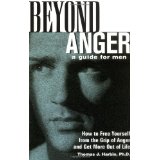
51Xm94KGKeL__AA160_ - Beyond AngerIt’s counterpart is a book written by Thomas J. Harbin, Ph.D., “Beyond Anger, A guide for men” which reaches out to a problem many men face today.

While women have often stuffed their anger, become passive-aggressive or used it to manipulate, men’s anger has often turned into explosive rage that when triggered seems to have no bounds in its destructive force.

Part one of this book describes how anger can become a central problem in men’s lives. Part two has action plans to free them from their unwanted anger.

In an age when we see anger exploding everywhere, I think it is important for all of us to understand its roots, its typical and habitual response and the destructive power it can have in our lives. Put into perspective, anger can help us make constructive changes.

I recommend these two books for a better understanding of the subject and if you recognize an anger problem in yourself or someone you love.

Marlene Anderson

Those Ah-ha Moments

portrait of a young woman standing with arms akimbo in a parkLife will give us those Ah-Ha moments where we are able to get a glimpse of a larger truth that can forever alter our thinking. But we need to be ready to recognize them.

I was given such an Ah-Ha moment many years ago that changed my thinking forever.

We were preparing for a summer camping trip with the kids. I was doing loads of laundry in preparation for leaving the next day. But the job was hindered by a water pressure problem that I had been experiencing for several weeks.

For some reason the water filling my laundry tub was so slow it seemed to take forever. It was one of the things on my husband’s to do list to take care of.

In the meantime, I had improvised by using a small hose attached to the faucet next to my washing machine. It was an excellent short term solution as long as I remained close by to shut the faucet off when the washing machine was full. I had been successful up to this day even though there were a few times when I had to run to get the office phone and almost didn’t make it back in time.

On this busy trip preparation day, the office phone call I went to answer took longer than I had anticipated. By the time I returned to my laundry the water had overflowed onto the floor, run the length of the laundry room saturating boxes of fabric and sewing supplies and was beginning to flood my kitchen as well.

Oh no! I couldn’t have been gone that long! Was I? I quickly shut off the water, surveyed the mess, and stood there discouraged and angry. There was so much to do. I didn’t need this catastrophe on top of everything else.

And as our mind is wont to do, it quickly searches for somewhere or someone to place blame.

At about that time, my husband opened the door from the garage. He looked at the floor and at me and his face went from Oops to the beginning of a tiny grin which he tried to suppress. He was always able to find that bit of humor in almost everything without ever laughing at anyone else’s misfortune.

I looked at him and without words said: “Don’t you dare laugh.”

But then, a funny thing happened. For whatever reason, in a flash of insight, I realized that I too could laugh. I had a choice: I could allow my anger to escalate and spew out unkind and cutting words to my husband or see the humor in the situation. I remember thinking; I didn’t want to give up my anger.

There is a payoff to hanging on to our anger – especially if you can blame the adversity onto someone else.

I decided to laugh. I remember very vividly my whole body instantly changing: tension flowed away as the anger melted and I really could see the humor in the situation.

I realized I had just experienced a very valuable lesson in life. In any situation, we have the choice to hang onto the first reactionary response or to change that response.

I still had the mess to clean up. Removing and drying the contents of the boxes added to the list of chores to complete. But while anger can instigate a lot of immediate energy, it usually is destructive when it stays in place. However, the tedious tasks are so much easier to accomplish with a sense of humor.

Anger has a legitimate purpose and we need to acknowledge it and own it. We decide whether there is a reason to hang onto it or whether it isn’t worth our time and energy. And it is up to us to use it in constructive ways.

As we talk about our mindsets, attitudes and emotional responses this month, it is important to remember that events in and of themselves do not create our emotional responses, but rather what we think about those events, our beliefs, expectations and assumptions associated with them along with our emotional investment.

Marlene Anderson


So, Where are your stress levels today?

Grandparents posing with grandchildrenAs we continue our series on stress, lets review what we know about stress and how we can make it work for us.

Stress is the energy that our bodies use to do things.

We can spend that energy to create and realize our goals, make productive plans for the future, solve problems, play with our kids and enjoy productive and happy lives. Or we can squander it, use it up indiscriminately with little return.

We can compare it to an inheritance we receive. We put it in the bank and determine how we will spend it. We can spend it rapidly on whatever pleases us in the moment, we can maximize its potential by using it in ways where we get the best return, or we can diminish its spending quality and burn it up needlessly through dis-stress.

When we invest our money, we want to get a return of some kind. When we invest the minutes of our day, we want to have some kind of satisfaction and important gains to our lives in return. Those moments with your kids, your spouse, your family pay big dividends. Like any investment, we don’t realize the returns until sometime in the future.

It’s not stress we want to get rid of – its distress.

Time management can relieve a lot of time pressure that creates distress. We reduce the intensity of expectations by eliminating wasteful use of our time, planning and organizing, and self-regulation.

Purposefully scheduling in rest and relaxation gives us a wide choice of ways to unwind and de-stress. This allows us to work hard and know it will be balanced by play. Finding humor at all times, relieves the pressure of living.

Distress is what we create between our ears.

Anything that puts a demand on us and creates stress is called a stressor. Yet what stresses one person out will energize another. All of us respond to life in our own way. Our personality traits and genetic pre-disposition can certainly make us more vulnerable to how we respond to circumstances.

In my upcoming blogs I will share information about how we create distress and ways to minimize and even eliminate a lot of it.

Marlene Anderson


Book Feature: “The Shack”

The ShackHow do you see God?

Would you see Him as stern – unforgiving – waiting for you to screw up? How does your perception of God influence your relationship with Him? Does it bring you closer or keep you at a distance?

In “The Shack,” by Wm. Paul Young, the main character, Mack, receives a simple typewritten letter in the mail telling “Mackenzie” that he had been missed and if he wanted to get together, he “would be at the shack next weekend”. It was signed “Papa”.

On his quest to overcome the sadness Mack continued to experience after the death of his daughter, he decides to take a trip back to the scene of the crime where his daughter had been snatched by a predator during a family camping trip and was murdered. On the way he meets with an accident and Mack discovers himself at “the shack” where he comes face to face with God.

And the journey begins.

What would you do or say if you came face to face with God, especially if He was totally different than you had envisioned Him? What would you do if He greeted you with love, a hug, excited to see you and with an invitation to join Him for dinner? What if He laughed and saw His world with eyes of positive expectation? In fact, what if He was a She?

During Mack’s weekend with God, Jesus and the Holy Spirit, he is confronted with his anger towards God, his personal guilt for not what happened to his daughter, and his desire for retribution.

“The Shack,” is a powerful book that challenges our perceptions of God, redemption, grace and forgiveness and gives pause to our usual responses to life. Originally written for his children, others who read Paul’s story encouraged him to publish it.

A couple of years ago, I had the opportunity to facilitate a book review group of this book as part of a Lenten series at my church. Although I had read the book before, this was an in-depth study rich in revelations and take away lessons that could deepen our faith and walk with God. A couple of months later, I was privileged to meet, talk with and listen to the author himself when he spoke at our church.

Many people begin the book but never complete it. I encourage you to not only read it from beginning to end, and take time to pursue its deeper messages of grace, redemption, forgiveness and love, but also to make it a part of your own library.

Marlene Anderson


Laughing Through Our Tears

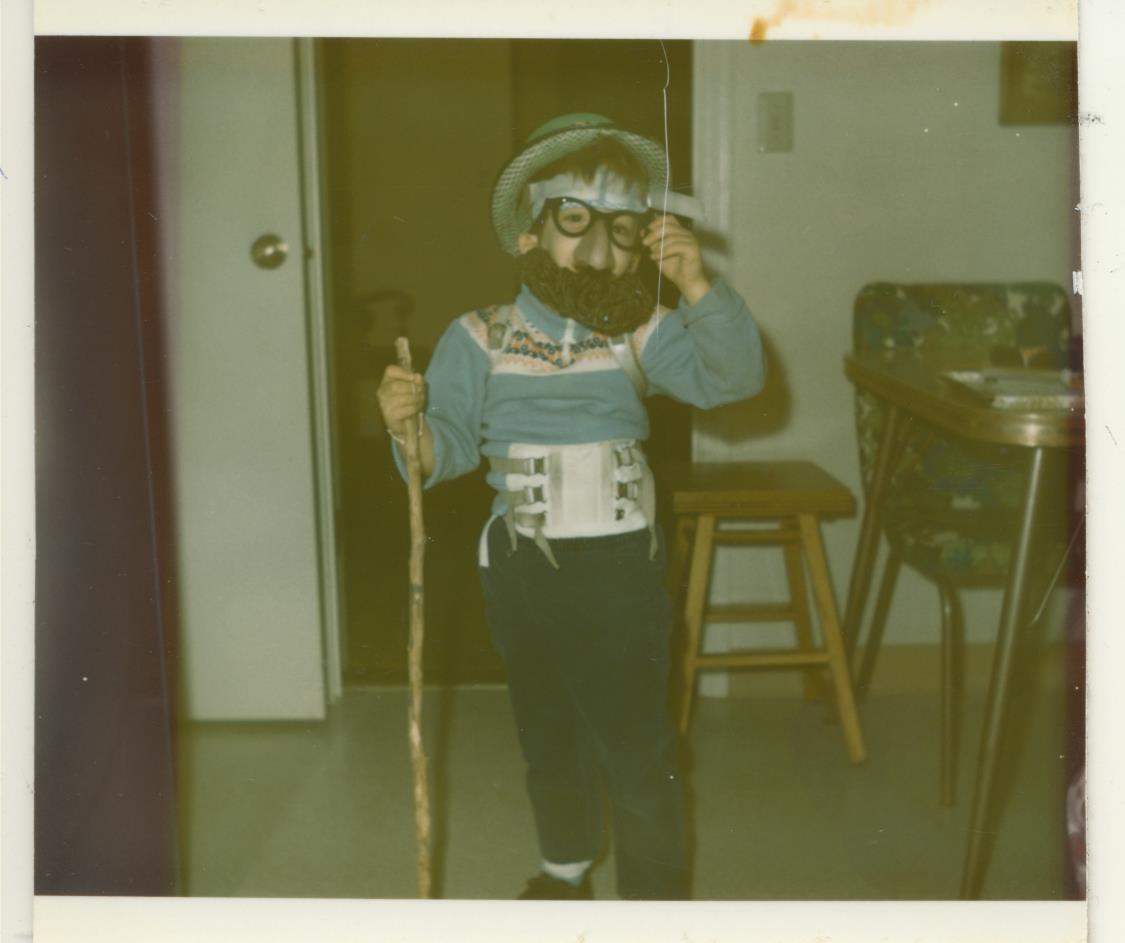
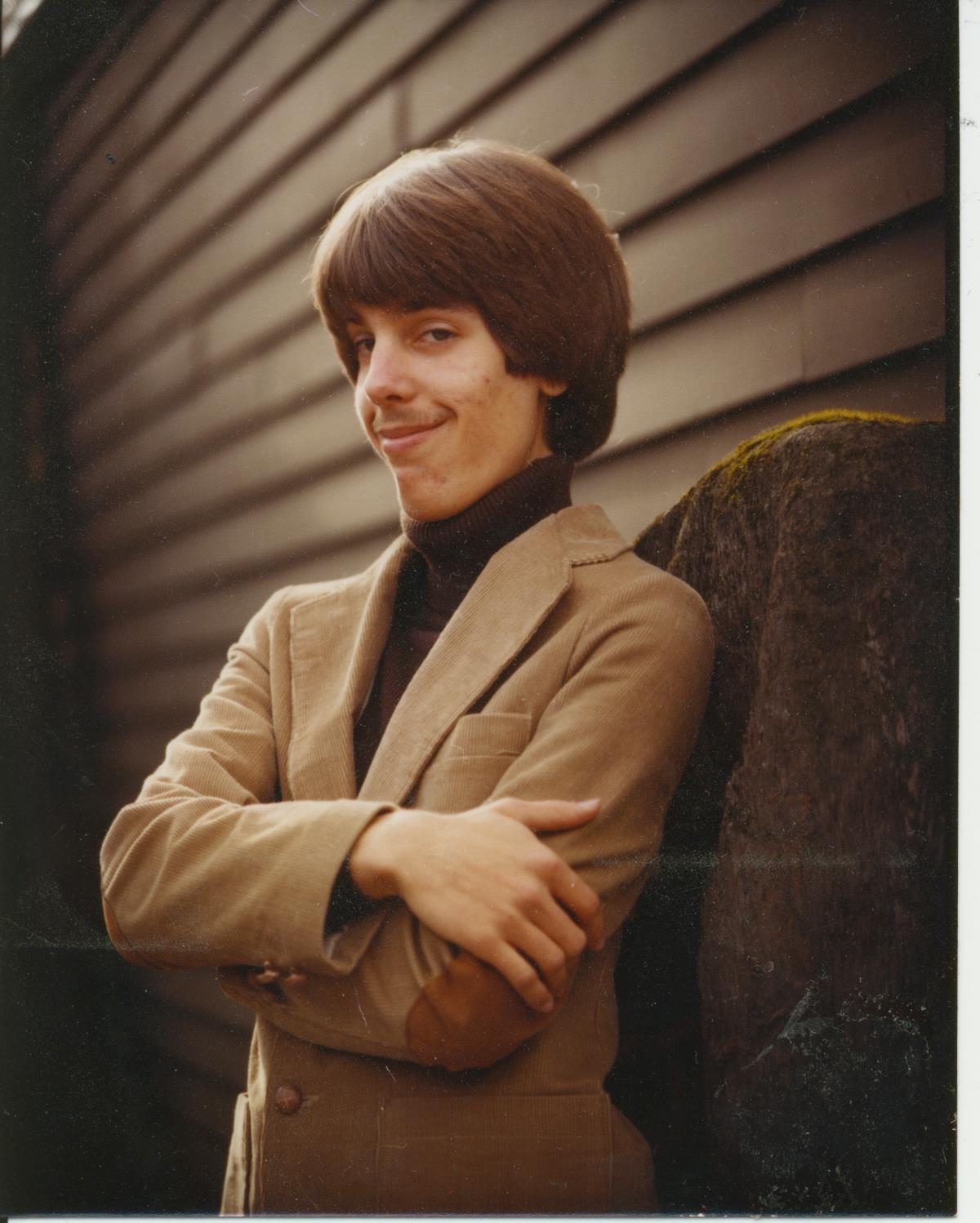
Don in disguise 001Can you laugh when your expectations of life have been turned upside down and you wonder how you will handle what has just been given to you – when the world you expected to be one way has been changed forever?

Yes you can. But maybe not immediately.

When my husband and I took our third child home from the hospital after he was born, it was with joy and excitement as he was a husky, healthy ten-pound baby boy. However, by six months we knew something wasn’t right as he was still unable to hold up his head.

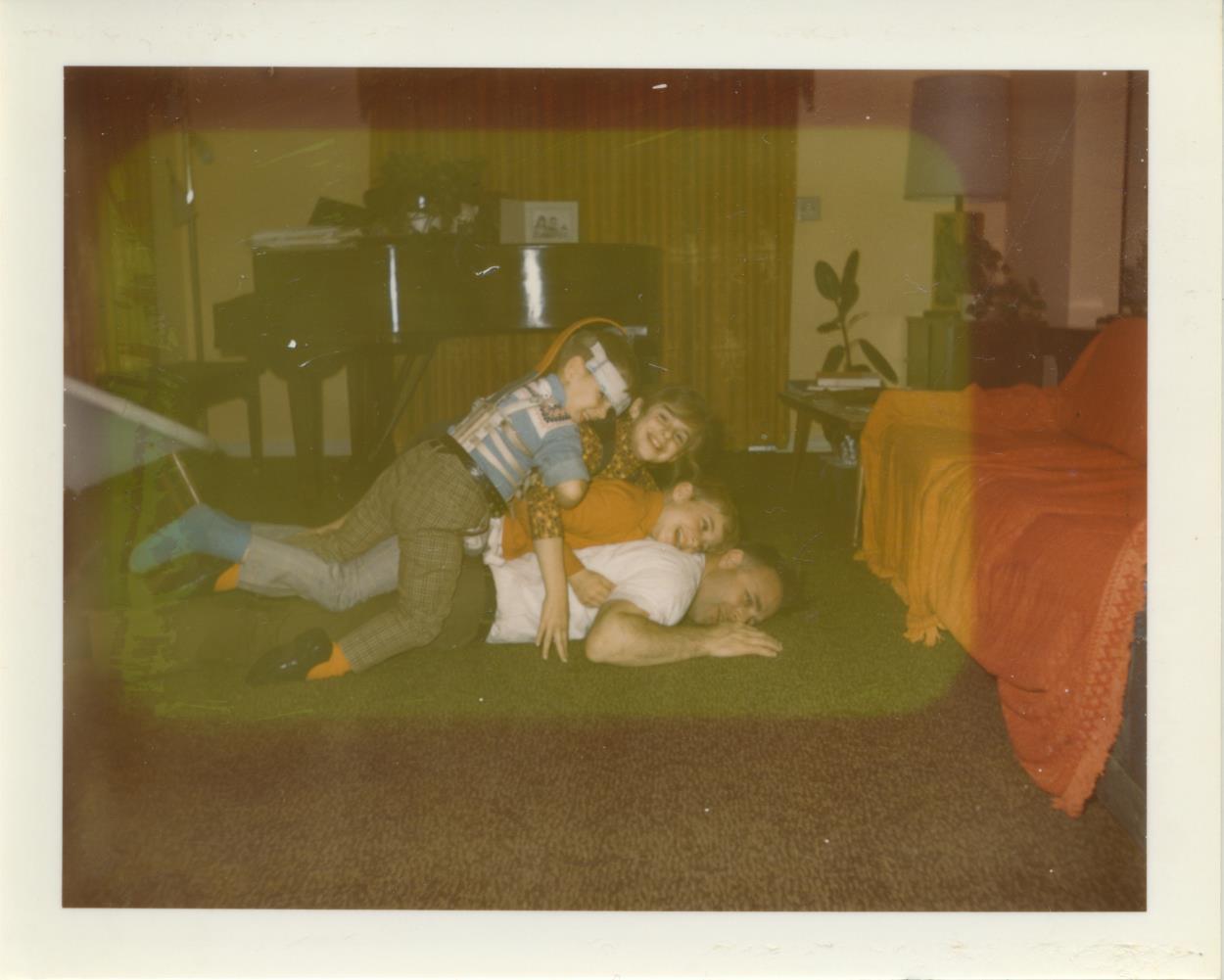
Many months later, we again took our son home fromDon - on top of the heap 001 another hospital after extensive tests and a weeklong stay. Only this time we were in shock.

The final diagnoses was that Don had cerebral palsy of the worst magnitude (a-mi-tonic-quadriplegic was what we heard).

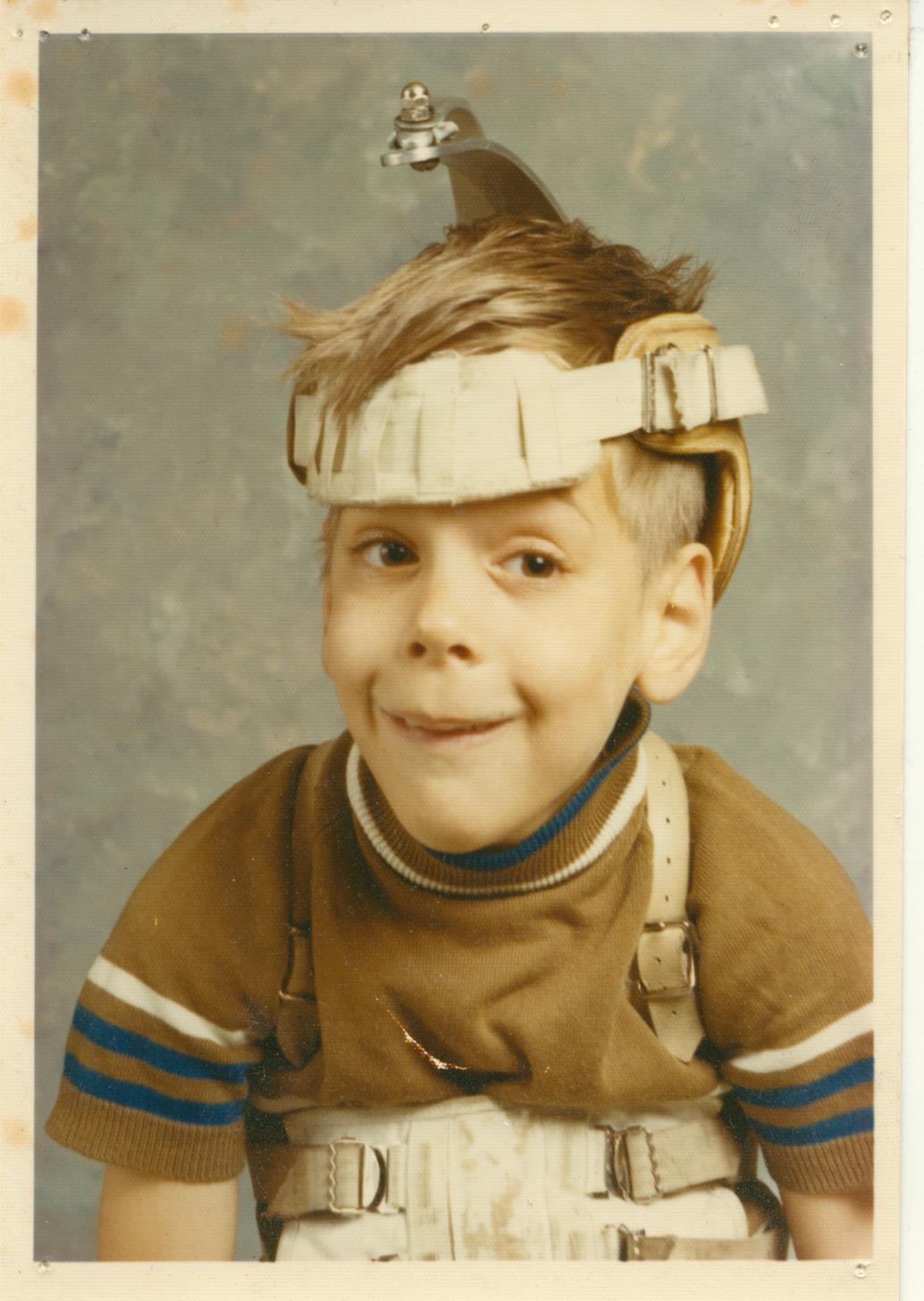
We were instructed to have a brace designed for him as quickly as possible so he might have a chance to walk.

They didn’t give us have much hope of him having a functioning brain: in fact, they gave little hope of him able to accomplish anything.

Don - school picture 001We drove in silence – trying to come to terms with what we were told. Would Don be able to walk or even talk? How would we function as a family? Would we be able to go camping as a family? Our minds whirled around and around as we confronted the magnitude of what lay before us.

When we arrived home, I knew beyond the shadow of a doubt that I could not raise this child without the help of God.

My prayer couldn’t just be a traditional prayer that I was used to growing up in a Christian family. This required knees on the floor beside my bed.

I believed in God and I believed in miracles. I was also aware that reality doesn’t go away with the wave of a magic wand or even a wishful prayer.

I prayed that God would give me complete acceptance, along with wisdom, strength and faith to raise this child as normally as possible.

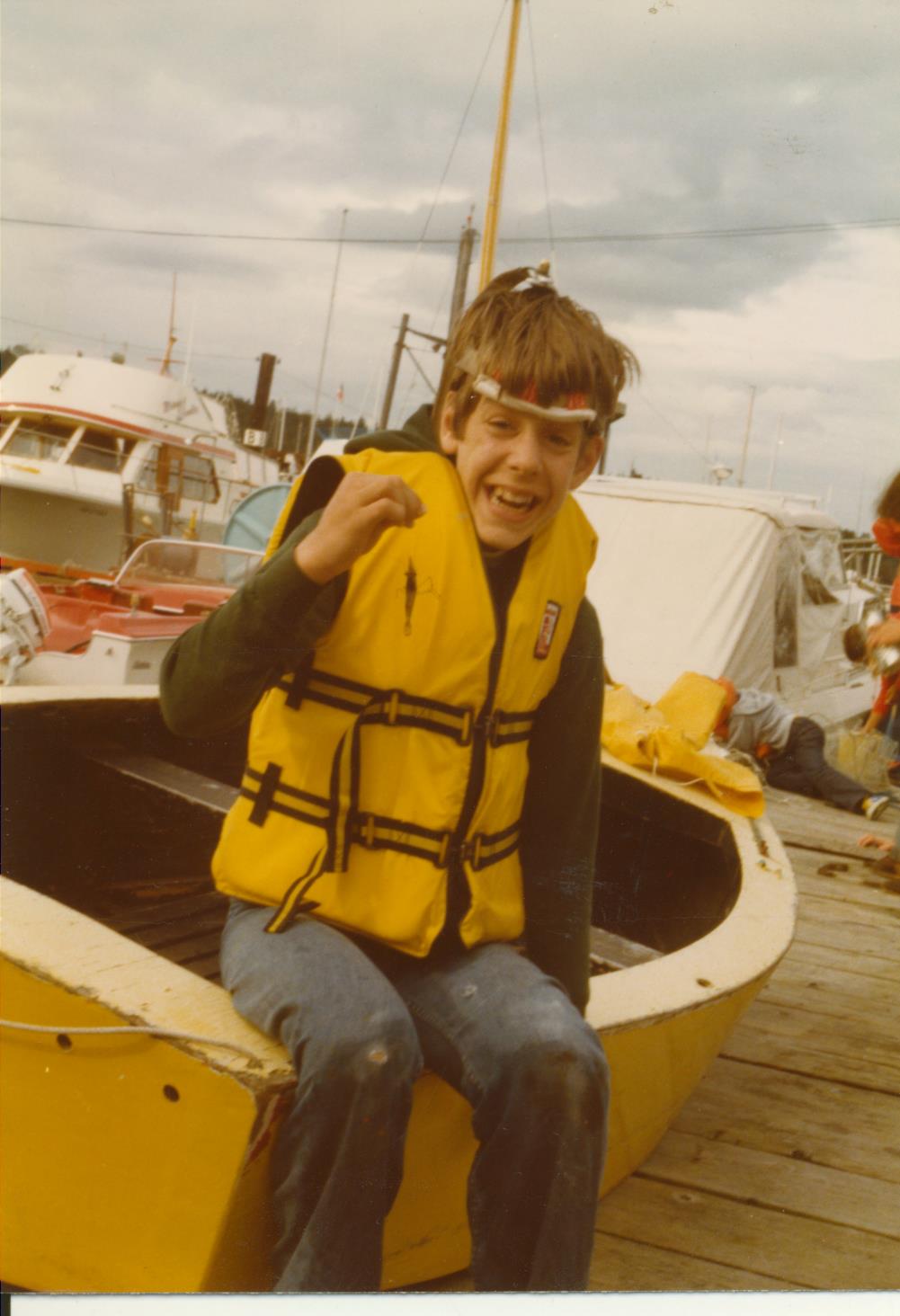
Don - boating 001I was rewarded with the most incredible peace I have ever experienced. And it was the beginning of the most marvelous journey I have ever been on.

Because my prayer was not only answered, but we experienced answers to unspoken prayers in the most remarkable way.

Don didn’t have cerebral palsy. He had the absence and weakness of muscles, not only in his neck but down his back.

My son not only walked, he started drawing as soon as he could hold a pencil. He played the trombone, he swung from ropes, he was in the cub scouts and was active in drama and the theater.

At the end of his career, he was a freelance artist who worked in one of the most difficult areas – Los Angeles media – designing, creating and writing. He did story boards and produced some movie shorts. When he died from pancreatic cancer, he was highly respected by his peers and had a huge family of friends.

001When I got off my knees, I took that peace God gave me and strode out my bedroom with an “I can do” attitude and mindset.

We never considered Don handicapped and he never considered himself handicapped. And while there were those serious moments of contemplation, they were few and far between.

Don had a sense of humor that didn’t quit and would have all of us laughing.

Can you laugh through your tears?

Oh yes you can. Allow yourself time to absorb whatever challenge you have been given.

Don - graduation from HS 001Then with prayer make a purposeful decision to find the blessings involved.

Cry – but then laugh – for the God that loves us so much will not only give you strength and faith. He will allow you to find the joy, blessings and laughter that are in all things.

Thank you God for all those wonderful years!

Thanks Don, for your humor and laughter and joy that you gave to the entire family.We continue to chuckle over some of those incidents.

We continue to love you and hold you in our hearts.

And my prayers are forever altered.  They do not consist of formal prayers.  They are conversations with a loving God that continues to surprise me.

Marlene Anderson